Skip to content
ALLOT TECH5 GALLONWATERFilling machine solutions

Large-format drinking water systems

5 Gallon Water Filling Machines for Your Bottle and Production Target

Specify the washer, filler and capper around your actual 18.9L bottle, return condition and hourly output. Allot Tech helps you define the core machine, returned-bottle preparation and handling options; 20L compatibility is reviewed separately.

Machine price & quote checklistChoose capacity in BPH

18.9L ≠ 20LReturnable + one-way pathsConfirmed / Reference / TBC
ALLOT TECH / QGF SYSTEM18.9L + 20L PROJECTS
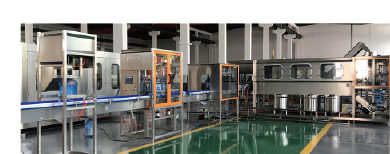
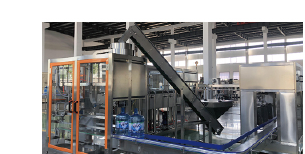
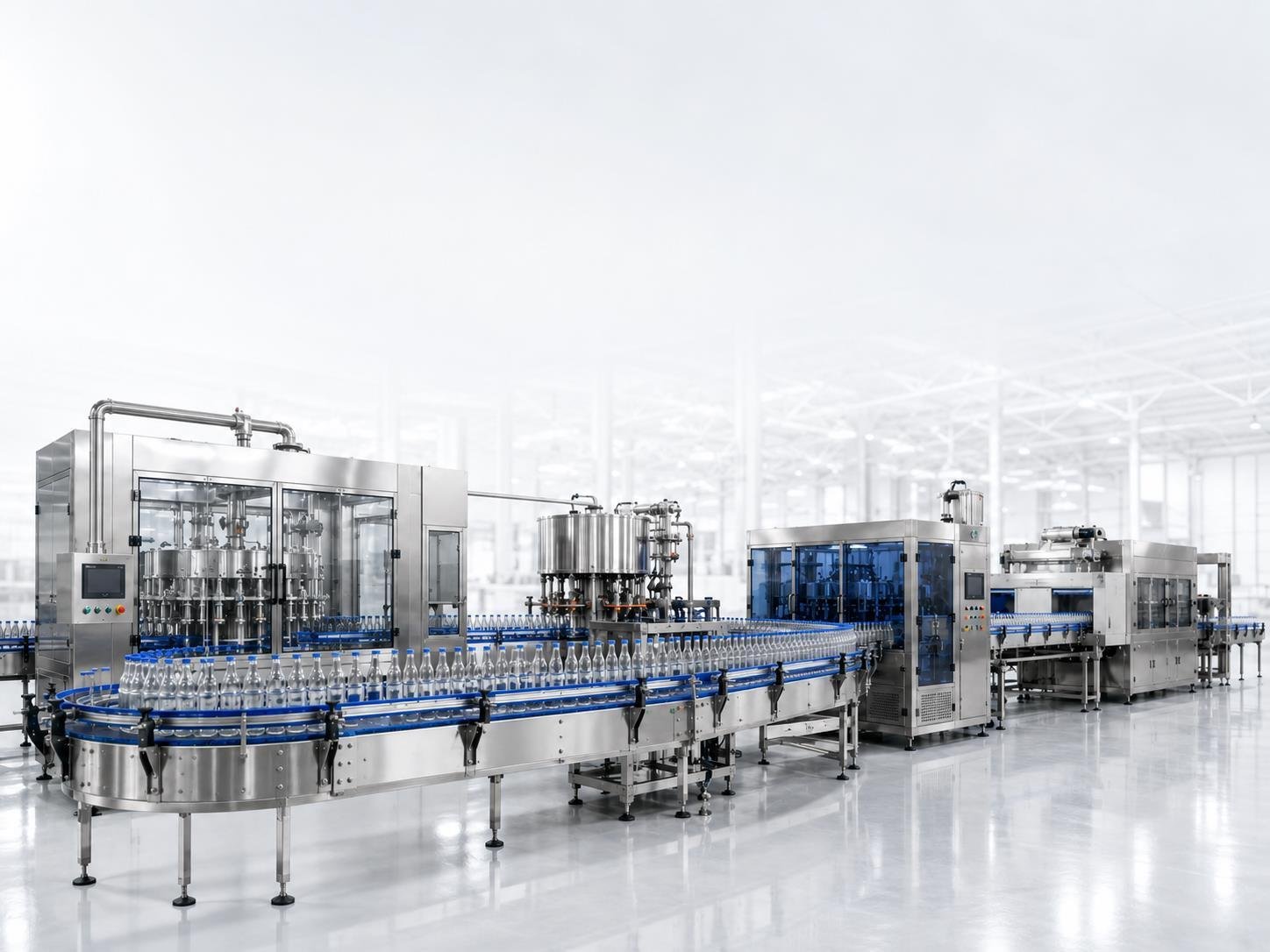
QGF large-format water bottle washing filling and capping line from the supplied Allot Tech catalog
Core line scopeInspect → Wash → Fill → Cap → Handle
ReturnableOne-wayProject-specific

Start with the project facts

Define the bottle before the machine.

These inputs route you to a preliminary process. Final output, hygiene and equipment scope remain subject to technical confirmation.

Configuration before quotationCapacity matched to your bottleOpen the full line configurator ↓

Choose your bottle path

Returnable and one-way bottles need different front ends

Start with the way bottles enter and leave the business. This decision changes hygiene, handling, storage, labor and cost.

A / RETURNABLE

Returnable Bottle Line

For delivery businesses collecting bottles from customers. Usually requires inspection, old-cap removal, external cleaning, internal washing, confirmed sanitizing and final rinsing.

  • Bottle fleet and return cycle
  • Decapping and external brushing
  • Inspection, leak testing and rejection
  • Dirty and clean storage separation
Evaluate the returnable path
B / ONE-WAY

One-Way Bottle Line

For new or single-use large bottles. It usually avoids the deep returned-bottle process but depends on clean packaging supply, controlled feeding and local recycling or disposal.

  • New bottle or preform supply
  • Simplified preparation where approved
  • Packaging storage
  • End-user waste or recycling path
Compare both bottle models

Machine-first project view

See the equipment. Then define the surrounding line.

The filling machine is the center, but bottle condition, washing, transfer, utilities and final handling determine the workable system.

Catalog equipment imagery is shown as a real-system reference. Final configuration and supply scope are confirmed per project.

Source-backed technical reference

Download the QGF overview and model table

Read the original equipment overview and parameter table from the Allot Tech Beverage Bottling Catalog 2026, pages 21-22, with a guide to the reference limits and current project contact.

The original 18.9L data is preserved. The repeated 800 b/h entries for QGF-600, QGF-900 and QGF-1200 are flagged for clarification; 20L compatibility requires separate sample approval.

Download QGF Technical Reference (PDF)3 pages / approximately 89 KB / no registration. Catalog evidence, not a quotation, operating manual or guarantee of current availability.Send your bottle and capacity for project review

Configuration decision routes

Start with the constraint that changes the machine

Each route resolves a different equipment decision. Follow the one that matches your bottle, output or acceptance question.

Resolve the problem before choosing the machine

Describe the constraint before selecting a model. These three problems connect your actual bottle, operating schedule and quotation to evidence the equipment team can review.

01

Bottles jam or caps seat at an angle

Identify the affected bottle and cap lot, neck dimensions, base shape and handle. Send the approved drawing and representative samples, including acceptable returned bottles. Ask for witnessed transfer, nozzle alignment and cap-application checks. Two separately approved formats can require change parts and separate runs; they do not establish random mixed-format operation.

  • Record the format and where the issue appears
  • Approve bottle and cap together
  • Define adjustment and changeover evidence
Review bottle fit and changeoverTechnical decision guide
02

The quoted BPH does not meet daily demand

Use accepted bottles and net operating time. For example, 300 bottles/hour × 6 net hours × 0.90 accepted fraction = 1,620 bottles/day. This is a planning example, not a machine promise. Check preparation, cap replenishment and discharge in the connected test, and avoid deducting a break already removed from net hours.

  • Start with daily demand and net hours
  • Count accepted and rejected bottles separately
  • Witness the included modules on the same basis
Calculate the required saleable outputTechnical decision guide
03

Two prices cover different equipment

Mark each function included, optional, buyer-supplied or excluded. A washer-filler-capper does not automatically include a decapper, external brusher or final handling. Define tank, pump, connection and signal ownership. Compare FAT, packing, freight, spares and commissioning only after the bottle, returned condition and acceptance method match.

  • One function-by-function scope list
  • Clear equipment and utility boundaries
  • Options and services priced separately
Compare price and equipment scopeTechnical decision guide

Existing-line replacement guide

Replacing a 5 Gallon Water Filling Machine in an Existing Line

Replacing the washer-filler-capper does not automatically require replacing every machine around it. Nor does matching the old machine’s BPH prove that existing equipment can be reused. Start with an as-built survey, identify what will remain, and make approval of each bottle, mechanical, water and control interface a condition of the proposal.

Existing-line replacement guide

Interactive tool 03

5 Gallon Line Configurator

Choose known conditions to outline the process, equipment modules and documents needed for a project-specific quotation.

Complete line process

One process map, modular equipment choices

Use the route to find missing interfaces. It is a conceptual diagram, not a fixed sanitation program.

Not every line needs every module. Final flow depends on bottle condition, required output, local hygiene requirements and the selected configuration.

Select by capacity

Choose automation by business stage, not by a model name

Every band needs a confirmed BPH, but buyer needs change as route volume, labor and bottle control mature.

ENTRY-LEVEL

Controlled first production

Prioritize a clear hygiene route and safe operator work. Manual or assisted loading may be reasonable when demand is modest and stable.

GROWING DELIVERY

Remove repeated bottlenecks

Add decapping, brushing or conveyors when route growth makes manual preparation inconsistent.

MEDIUM AUTOMATIC

Balance connected modules

Automation should connect preparation, core filling and final handling at one realistic saleable rate.

HIGH-OUTPUT

Control fleet, buffers and release

High throughput needs stable bottle returns, inspection, cap supply, storage, maintenance and delivery dispatch.

Core machine functions

The machine center must remain understandable

Each function needs a defined input, operating boundary and acceptance check.

Bottle washing

Moves the approved bottle through the confirmed wash or rinse sequence.

Filling

Receives treated drinking water and fills under the agreed supply and acceptance basis.

Cap feeding

Presents the approved closure in the correct orientation.

Capping

Places or presses the cap and supports the selected inspection response.

PLC control

Coordinates sequence, interlocks, alarms and safe restart as configured.

Bottle transfer

Stabilizes large bottles between stations and connected equipment.

Sanitary access

Allows cleaning and inspection of confirmed process contact areas.

Maintenance access

Provides practical service to tanks, pumps, nozzles, drives and controls.

Optional modules

Add a module only when it solves a defined problem

Options change labor, layout, utilities, investment and maintenance. They are not universal requirements.

Decapper

Solves
Old caps on returned bottles
Consider when
Returnable routes
May omit when
New one-way bottles

External brushing washer

Solves
Outside soil and labels
Consider when
Used bottle fleets
May omit when
Controlled clean new bottles

Bottle inspection

Solves
Visible defects and rejection
Consider when
Every returnable operation
May omit when
Can be simplified only by validated new-bottle supply

Leak tester

Solves
Defined integrity risk
Consider when
Plants with recurring leakage
May omit when
May be omitted under another approved inspection plan

Automatic loading

Solves
Repeated lifting and pace
Consider when
Higher or consistent output
May omit when
Lower-output manual operations

Bagging

Solves
Bottle protection or presentation
Consider when
Markets requiring bags
May omit when
Routes using reusable racks without bags

Rack loader

Solves
Delivery rack handling
Consider when
Route businesses using standard racks
May omit when
Pallet-only warehouses

Palletizer

Solves
High-output pallet handling
Consider when
Warehouse or long-distance logistics
May omit when
Lower-output delivery routes

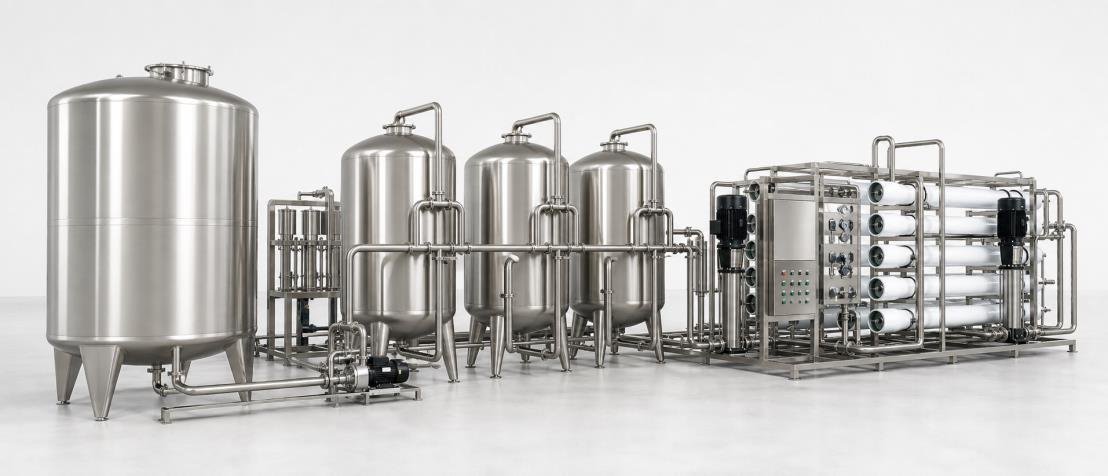
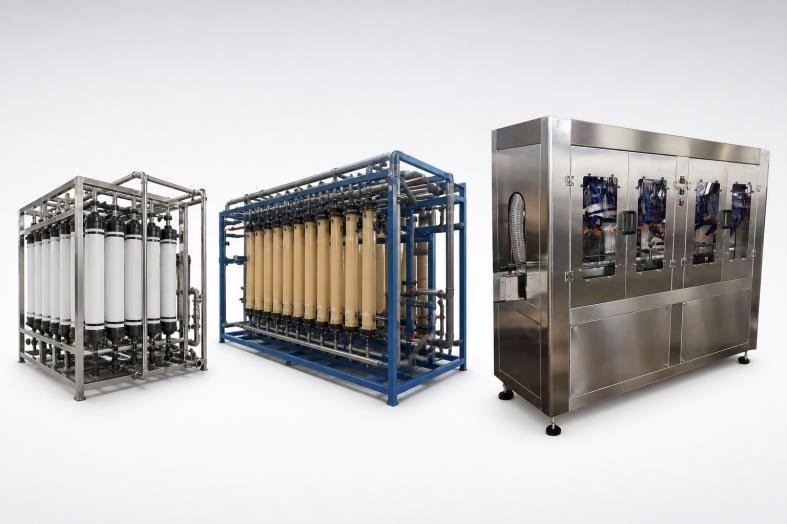
Water treatment

Solves
Raw-to-finished water preparation
Consider when
New or insufficient treatment plants
May omit when
Existing qualified supply with capacity

Bottle hygiene decision center

A clean-looking outside does not prove the inside is acceptable

Returned bottles arrive with different histories. The process should be selected from evidence, and bottles that cannot be safely recovered should leave the line under the plant quality policy.

01

Inspect the bottle before machine time is spent on it.

02

Separate external soil removal from internal washing.

03

Adjust the process to actual bottle condition and local requirements.

04

Reject severe damage or contamination according to the plant system.

05

Remember: equipment cannot replace factory hygiene management.

Machine cell and interfaces

Fit the equipment to the real room and bottle path

These are required machine inputs, not fixed plant-wide utility promises.

Production room dimensionsTo be confirmed
Power supplyTo be confirmed
Product-water handoverTo be confirmed
Drainage and floor slopeTo be confirmed
Compressed airTo be confirmed
Available operatorsTo be confirmed
Empty-bottle bufferTo be confirmed
Full-bottle bufferTo be confirmed
Maintenance accessTo be confirmed

What changes the price?

Compare scope before comparing numbers

Machine pricing depends on the agreed process, automation, site interfaces and delivery responsibility.

PROCESS

BPH, bottle path, washing, filling, caps, inspection and leak testing.

HANDLING

Loading, conveyors, bagging, racks, palletizing and labor reduction.

FACTORY

Water treatment, power, air, drain, layout and technical requirements.

DELIVERY

Destination, packing, FAT, spares, installation, commissioning and training.

Quick inquiry

Send the core project facts

Use this short form when you do not yet have a full layout or technical package.

Project delivery process

Twelve checkpoints from first data to trained operation

Actual responsibility and timing are confirmed in the project agreement.

  1. 01Send project information
  2. 02Confirm bottle and cap
  3. 03Confirm returnable or one-way process
  4. 04Select capacity and automation
  5. 05Prepare preliminary configuration
  6. 06Confirm technical details
  7. 07Issue commercial proposal
  8. 08Manufacturing coordination
  9. 09FAT
  10. 10Shipment
  11. 11Installation and commissioning
  12. 12Training and after-sales coordination

FAQ

Short answers, visible boundaries

Project-specific output, hygiene, utilities and service terms belong in the confirmed technical proposal.

Is 5 US gallon the same as 20L?

No. Five US gallons is approximately 18.9L. The site covers both 18.9L and 20L applications, but bottle dimensions and machine compatibility must be confirmed separately.

Can one line fill returnable and one-way large bottles?

Possibly, but the two paths need different bottle preparation and may need different handling. Confirm both bottle families, necks, caps and process expectations before ordering.

What information is needed for a recommendation?

Start with bottle and cap details, returnable or one-way use, required BPH, operating schedule, existing factory and utilities, destination and desired automation.

Are the QGF numbers guaranteed production rates?

No. The supplied catalog contains reference data for an 18.9L basis. Final output and configuration belong in the signed quotation and technical agreement.

Detailed project form

Build the configuration basis

Send your project to Mr Kcal at Allot Tech (Suzhou) Co., Ltd.

Only core decision fields are required. Optional files help reduce assumptions. Do not upload passwords, payment data or unrelated confidential records.

01 / Contact information

Provide at least an email or WhatsApp number.

02 / Bottle information
03 / Production information
04 / Process requirements
05 / Factory information
06 / Project information
07 / Optional files

Up to 6 files, 8 MB each. PDF, PNG, JPG, WEBP, DOC, DOCX, XLS or XLSX.

Submission does not create a performance promise or fixed price. Final machine data and hygiene parameters require technical confirmation.

Prepared by

Allot Tech Content & Project Coordination
Last reviewed: 2026-10-07. Technical values follow Confirmed, Reference or To Be Confirmed status. Catalog conflicts are disclosed; the signed quotation and technical agreement control the final project.

Contextual next step

Request a Configuration-Based Proposal

Send the bottle, cap, output and factory basis. Unknown values can remain open instead of being invented.