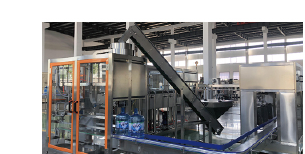
Uneven filling: collect comparable results first
Use the buyer-approved sampling and measurement method with the same bottle format. Record target versus measured fill, affected head or cycle, sample time, reject count and product-water supply condition. These records help authorized support distinguish a container, supply, measurement or machine-function issue; they do not justify changing a valve or timer without the delivered procedure.
- Bottle identification and approved fill target
- Measurement method and sample results
- Fill-head or cycle identification if available
- Supply pressure or low-level events under operation
- Approved parameter and configuration revision
Jar jams or tilted caps after a material change
Compare the first occurrence with bottle and cap lot changes, format changeover, guide adjustments and recent maintenance. Retain representative samples and record the precise transfer or cap-feed location. Stop and use the machine-approved safe inspection procedure; do not reach into running equipment, defeat a guard or improvise a mixed-format run.
- Bottle dimensions, neck and cap sample identification
- Affected lot and first event time
- Jam location, cap orientation and occurrence count
- Photos taken from a safe position
- Changeover record and approved compatibility evidence
Repeated alarms: preserve evidence instead of repeated resets
Capture the exact alarm text or code, machine state, utility conditions and preceding event before an authorized reset. A recurring alarm alone does not prove that the PLC, sensor or pneumatic valve is defective. Refer to the delivered diagnostic procedure and escalate unresolved recurrence to authorized support. Intrusive work requires the applicable hazardous-energy control procedure and trained, authorized personnel.
- Exact alarm and timestamp, not only “machine stopped”
- Whether the event occurs at startup, filling or transfer
- Utility state and related alarms
- Reset history and recent work
- Machine serial number, manual and schematic revision
Verify the repair before normal production resumes
Agree a restart and acceptance check with authorized staff. Compare results using the same approved bottle, cap, operating condition and measurement method; record fill variation, cap defects, transfer stops and accepted versus rejected bottles where relevant. Quality release and safety approval remain separate responsibilities. Preserve the replacement part model and revision with the before-and-after record.
- Manual-defined safety and restart checks
- Comparable before-and-after measurements
- Part identity and approved settings
- Remaining symptoms and escalation decision
- Responsible quality release before saleable production
Create the equipment and risk register
List the washer, filler, cap handling, conveyors, sensors, pumps, valves, pneumatic devices, drives, controls and connected utilities by model and revision. Rank each item by production impact, safety relevance, failure history, local availability and replacement lead time.
- Machine tag and component model
- Function and failure effect
- Lead time and local substitute policy
- Required tools and competence
- Responsible stock owner
Separate wear parts from critical spares
Seals, gaskets, guides, nozzles and other contact or movement parts may follow wear or sanitation cycles. Sensors, contactors, valves, drives or control hardware may fail less often but stop the line longer. Final quantities must follow supplier documents and the plant risk assessment.
- Normal wear and sanitation items
- Bottle and cap change parts
- Pneumatic and electrical critical parts
- Pump and valve service kits
- Safety-approved replacements only
Schedule preventive work around production
Build daily operator checks, planned weekly or monthly inspections and hour-based service where the manuals specify it. Record abnormal noise, leakage, transfer damage, cap defects, fill variation, alarm frequency and repeated adjustments before they become long stops.
- Clean, inspect and record
- Lubricate only at approved points
- Check guards and safety devices
- Verify bottle transfer and cap quality
- Review repeated alarms and downtime
Control documents and spare-parts inventory
Keep the latest manuals, drawings, PLC backup where contractually supplied, parameter records, supplier contacts and part revisions together. Set minimum stock, reorder point and preserved storage for each critical item, then audit inventory after every replacement.
- Approved BOM and drawing revision
- Machine parameters and backups
- Minimum stock and reorder point
- Shelf-life and storage condition
- Replacement and failure history
Information needed for a quote
Send the bottle and cap basis, required BPH, bottle path, factory and utility information, destination and any module or support requirement. Unknown items can remain marked “to be confirmed.”
Request a Project Spare-Parts List