Confirm the jar rather than the label
The words 20L jar identify a market category, not one universal container geometry. Record body diameter and height, neck finish, handle, wall stiffness, material, cap style and dimensional tolerance. Review both a drawing and representative production samples before freezing guides, holders, nozzles and cap handling.
- 20L is not exactly 5 US gallon
- Check maximum and minimum jar dimensions
- Confirm PC, PET or other approved material
- Test cap fit and removal force
- Include worn returnable jars in the sample set
Running 18.9L and 20L: define the changeover, not just compatibility
A machine approved for two jar formats may require separate production runs, mechanical adjustments, change parts or a different control recipe. This is not the same as handling a random mixture without stopping. Ask which guides, bottle holders, wash-nozzle positions, filling settings and cap-feed parts change between the submitted samples.
- Record each approved jar-and-cap combination
- Identify adjustments versus replacement change parts
- Confirm whether the two formats run in separate batches
- List tools, settings and safe isolation steps
- Agree who performs changeover and verifies the first finished jars
Agree a two-format trial before accepting dual-size operation
Test each approved jar at its agreed conditions, perform the documented changeover, and then run the second format. Check transfer stability, nozzle alignment, the agreed wash process, filling result and cap application after the change. If mixed-format running is required, include that separate scenario in the written test; do not infer it from two successful single-format runs.
- Representative samples of both jar sizes and caps
- Recorded settings and change parts for each format
- Changeover time measured with a defined start and finish
- First-off checks after restart
- Separate accepted output and reject counts for each format
Define the washing, filling and capping route
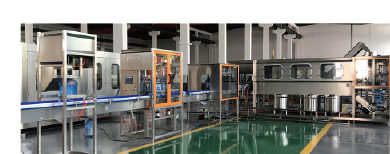
A one-way clean jar may need controlled preparation and rinsing, while a returned jar can require inspection, old-cap removal, external brushing and multiple internal wash stages before final rinse. The approved water-treatment supply, filling control, cap preparation and finished-jar inspection complete the core process.
- Returned-jar inspection and rejection
- External and internal cleaning boundary
- Final rinse water responsibility
- Treated-water supply condition
- Cap feed, capping and inspection
Compare JPH and BPH on one basis
Suppliers may state jars per hour or bottles per hour. Compare saleable output using the same jar, cap, operating condition and included upstream and downstream equipment. Confirm how sanitation, bottle rejects, minor stops and manual transfers affect expected shift output.
- Reference speed versus accepted speed
- Net operating hours per shift
- Slowest connected module
- Operator loading and unloading work
- FAT count and acceptance window
Request a technically comparable proposal
The proposal should identify the jar and cap basis, process sequence, included stations, materials and components that are actually confirmed, utilities, layout, documentation, spare parts, FAT method and service boundary. Unknown values should remain marked to be confirmed.
- Scope drawing and equipment list
- Jar and cap sample record
- Utility schedule
- FAT protocol and test quantity
- Packing, installation and training terms
Information needed for a quote
Send the bottle and cap basis, required BPH, bottle path, factory and utility information, destination and any module or support requirement. Unknown items can remain marked “to be confirmed.”
Send 20L Jar and Cap Details