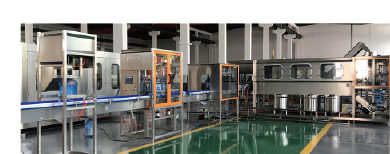
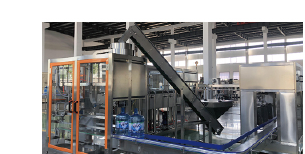
Define what is being replaced—and why
Describe the decision, not just a wish for a newer model. Is the proposed work replacing the core washer-filler-capper, adding bottle preparation, or changing the container format? Give authorized engineers the fault history if repair is still an option. This guide does not determine remaining machine life, a repair budget, or the economics of replacement. Keep plant-wide expansion and building work in their separate engineering scope.
- Name the removed machine and the retained modules
- State the problem and the evidence available
- Record unresolved repair-versus-replacement questions
Build a keep, modify, replace or unknown register
List the decapper, external brusher, inspection station, core machine, cap feed and conveyors separately. For each, record its manufacturer, model, serial number, drawings, condition and proposed responsibility. An existing conveyor may remain useful but still need a different handover, guide or control review. Unknown condition is not equivalent to approved reuse. Do not commit to a fixed retrofit scope until responsible parties close those assumptions.
- Assign one status to each tagged module
- Identify who assesses retained equipment
- Price identified changes separately from unresolved assumptions
Prove the actual bottle and transfer interfaces
Use the bottles and caps intended for the replacement project, including representative acceptable returned bottles where applicable. Survey transfer height, orientation, guide positions, support points and access around the proposed machine. A nominal 19L or 20L description does not establish neck, base, handle or tolerance compatibility. If more than one format is required, define separate approved runs and the changeover evidence; do not assume mixed-format operation.
- Approve bottle, cap and sample identification together
- Compare the old handover with the proposed drawing
- Record change parts, adjustments and responsible approval
Review supply, discharge and stop/restart behavior
Compare the new machine’s required product-water, wash-water, air, electrical and drain conditions with measured site evidence. Ask for requirements under the relevant operating cycle, not only nameplate values. Identify the ownership of ready, no-water, blocked-outfeed and fault signals. Qualified staff must agree the connected stop/restart behavior; retaining a controller or motor does not prove compatibility, and no safety interlock should be bypassed to make the interface appear to work.
- Record each connection, demand basis and owner
- Document approved signals and controlled restart conditions
- Keep mechanical fit and controls approval as separate checks
Plan the transition before removing the old machine
Agree delivery access, lifting and service responsibilities, installation sequence, utility isolation and the evidence required before production release. Give the supplier your allowable interruption window but do not treat it as a confirmed installation duration. Identify which work can be prepared in advance and who decides whether to postpone the cutover when critical data, equipment or qualified staff are missing. A preliminary equipment proposal cannot replace the site’s authorized safety and quality procedures.
- Name the cutover decision owner and readiness evidence
- Keep an authorized contingency plan and open-item list
- Confirm manuals, spare parts and training before the handover
Accept the replacement as a connected cell
FAT can check the proposed machine with approved samples and the agreed test arrangement; it cannot by itself prove a connection to equipment that was not included in the test. Specify the remaining site checks for retained machines and actual utilities. Record accepted and rejected bottles, transfer behavior, cap application, recurring alarms and supply conditions against agreed criteria. Close deviations with responsible parties before quality release. Approval of output does not establish bottle hygiene or every safety requirement.
- Separate factory evidence from remaining site evidence
- Test agreed connected stop/restart and transfer conditions
- Document deviations, retest results and release responsibility